
If you have ever watched the dealer slide cards across a felt mat in a Perth club, you already know the appeal of mini baccarat rules: quick rounds, clear outcomes, and no fuss around the table. I have spent years auditing how Australian-facing operators present their games, and the ones that earn trust do not lean on flash alone. They explain the mechanics plainly, keep account controls visible, and make responsible-play tools easy to find before you even place a bet. That is the difference between a polished page and a brand that actually respects its players.
How the Table Works and What the Dealer Does
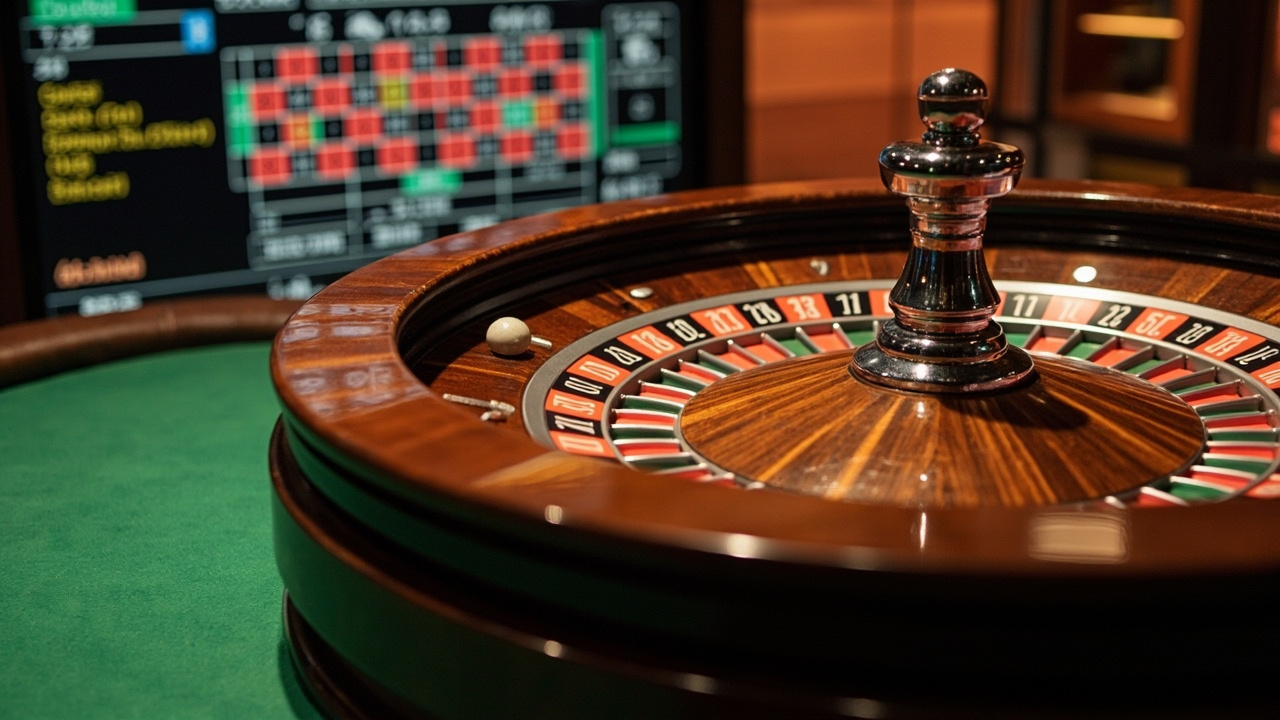
Mini baccarat rules keep the pace brisk by stripping away the extra side bets and letting the dealer handle most of the dealing. You sit at a compact layout, usually with seats for around seven players, and the cards are drawn from a single shoe or an electronic shuffler depending on the venue. The three main betting options are Player, Banker, and Tie, and the hand values run from zero to nine with face cards counting as zero and aces as one. If a total crosses nine, you drop the tens digit, so a seven and an eight become a five, not fifteen. I have reviewed enough live-dealer setups across the country to know that a clear table mat and a dealer who calls the draw rules out loud matter more than a glossy screen. When the third-card rules kick in, the dealer follows a fixed chart rather than asking the table to decide, which is exactly how it should be for anyone learning the ropes on a quiet arvo.
The practical bit is that the house edge sits differently on each option, and that is where a bit of discipline pays off. Banker wins are paid even money but usually carry a small commission on winning bets, while Player pays even money with no commission. Tie bets look tempting because they pay more, yet the edge against you is noticeably higher, so sensible play means treating Tie as an occasional side thought rather than a routine pick. In my experience auditing payment flows and registration paths, the operators that stick to transparent odds and clear payout tables tend to keep support tickets down and player complaints lower. If you are comparing a few live tables, look for the commission rate printed on the felt, the shuffle frequency, and whether the dealer explains the third-card chart before the first round. Those details tell you whether the table is set up for clarity or just for speed.
- Player and Banker are the two main lines most regulars stick to
- Tie pays higher but carries a bigger house edge, so it suits occasional use
- Third-card draws follow a fixed chart the dealer applies automatically
- Commission on Banker wins is usually shown on the table layout
- Hand values run zero to nine, with the tens digit dropped when totals exceed nine
Licensing Signals, Security and Support You Can Actually See
When I look at a site through the lens of search visibility and brand reputation, the first thing I check is whether the operator makes its licensing and security posture easy to verify without burying it behind marketing copy. A reputable setup will name the licence jurisdiction, show the registration or licence number in the footer, and use HTTPS across the account and payment pages so your login details and transaction history are not sitting in plain view. Support should be reachable through more than one channel, with live chat for quick questions and email or phone for anything that needs a written trail. I have seen too many brands that talk up their games while making it hard to find the responsible-play tools, and that is the kind of gap that damages trust faster than any single outage. Good operators put deposit limits, session reminders, and self-exclusion options where you can reach them in a couple of clicks, not three menus deep.
Privacy and account controls matter just as much as the games themselves, especially when you are registering on mobile during a busy week. A solid operator will ask for the usual identity checks without making the process feel like a maze, and it will explain what data it keeps and why, rather than handing you a wall of legal text and walking away. I would rather see a clear breakdown of withdrawal times, the currencies accepted, and any fees that apply than a vague promise that everything is instant. If you are playing on a tablet or phone, check that the account settings, bonus terms, and limit tools all load properly on a smaller screen, because a clunky mobile flow is often the first sign that the rest of the operation is not as tidy as the homepage suggests. For a closer look at how some operators structure their games and bonuses, you can read more at tower rush online with high multipliers.
Bonus Mechanics, Payments and Mobile Play in Practice
Bonus terms are where a lot of players get caught out, so the mini baccarat rules that matter most are the ones written in plain English rather than buried in a linked document. A sensible offer will spell out the wagering requirement, the games that contribute fully, the maximum bet allowed while the bonus is active, and the time window to clear it. I have reviewed enough promotional mechanics to know that a shorter window with a lower wagering target is usually easier to manage than a big number that looks generous until you read the fine print. Payment options should match the way people actually pay in Australia, with local methods available where possible and clear currency handling so you are not guessing at conversion rates mid-session. Registration should be straightforward, with the required fields listed up front and the verification steps explained before you fund the account.
Mobile play is now the default for a lot of sessions, and that means the layout, bet placement, and account tools all need to work smoothly on a phone screen. I look for a clean bet slip, readable odds, and a dashboard where you can adjust limits or check your history without hunting through menus. Loyalty or rewards programs can be a nice extra when they are simple, but they should not be used to nudge you into higher stakes than you planned. In my own audits, the brands that age well are the ones that keep the bonus page honest, the payment page transparent, and the support team reachable when a withdrawal or a limit change needs a human eye. That kind of consistency is what turns a one-off visit into a site people return to on a slow weeknight. tower rush online with high multipliers
Responsible Play, Limits and When to Step Back
Mini baccarat rules are easy to learn, but the rhythm of the game can still pull you into longer sessions than you intended, which is why limit tools are not a nice-to-have. A good setup lets you set deposit limits, loss limits, and session reminders from the same account area, and it should also offer a clear path to self-exclusion if you need a proper break. I have judged several operators by how quickly they surface these controls, because a brand that hides them behind promo copy is sending the wrong signal about its priorities. It also helps to treat the game like a paid leisure activity, not a way to cover a bill, and to keep your stake size tied to what you can afford to lose on a normal night out.

There is a broader lesson here that I often use when comparing brands: history shows that gambling revenues have sometimes been framed as funding for public works, from the legend that lotteries helped build parts of the Great Wall of China to the early American colleges that relied on similar draws. That kind of story sounds grand, but it is a reminder that the money side of gambling has always been conditional and contested, not a guaranteed public benefit. A more modern parallel is the way events have cracked down on courtsiding, where live scores are relayed faster than broadcasts, because speed can create unfair advantages and reputational headaches. The takeaway for a player is similar: fast games are fine, but the rules, the controls, and the reputation of the operator are what keep the session fair and the experience sane. If you have ever had a table, a dealer, or a site that made the rules feel clear and the limits easy to respect, I would love to hear how it went – drop a comment, send the piece to a mate, or tell us about the setup that actually worked for you.