
If you play live hold’em in Cairns on a Friday arvo, you’ve felt the swing that no bankroll chart can flatten. Poker variance in cash games is the part of the game that tests discipline more than strategy, and it’s where a lot of locals quietly bleed out. I’ve spent twenty-five years watching traffic and conversion patterns, including a decade inside iGaming lotteries where volatility is the whole product, and the same patience rules apply here. Treat the swings like a delayed Sydney train: they arrive, you wait, you don’t throw your ticket at the driver.
What swings actually look like at a cash table
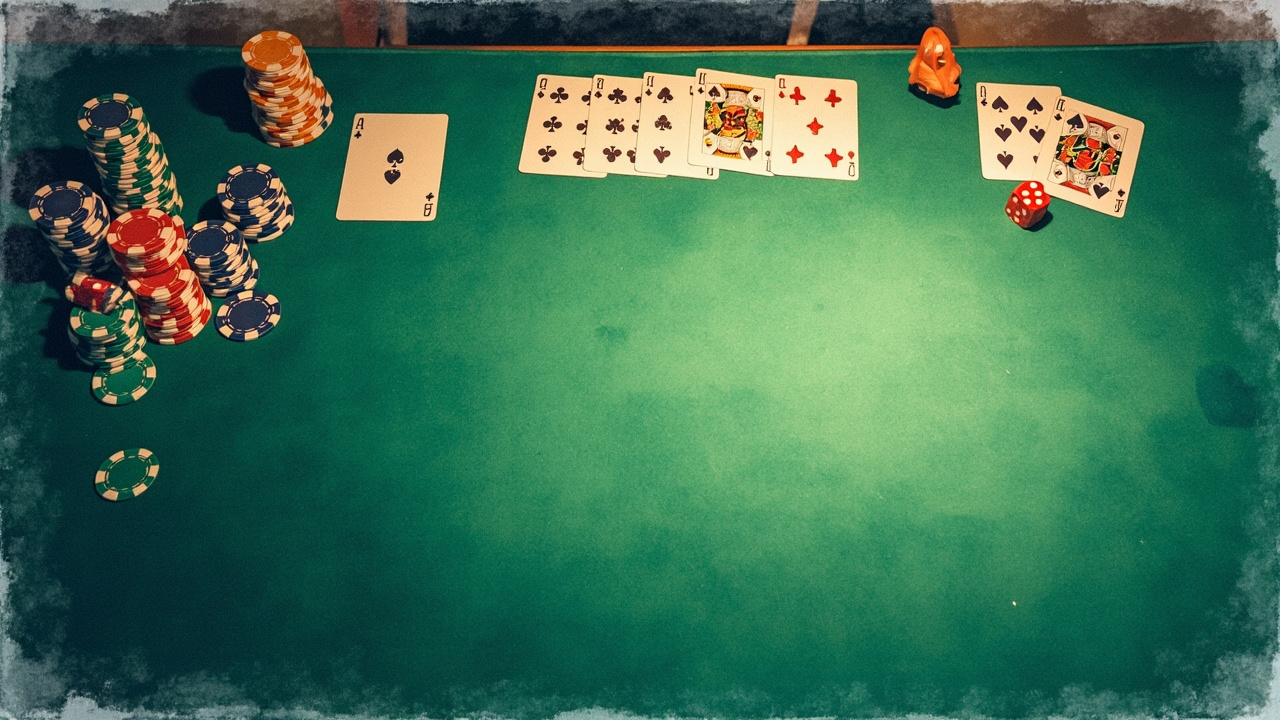
Cash games move differently from tournaments because you can leave whenever the heat gets too loud. A $1/$3 room in Cairns can still chew through a session bankroll if you’re sitting through a cold patch of twelve buy-ins without adjusting. I’ve seen the same kind of traffic spike and drop on a packed Melbourne tram, where the crowd thins and thickens for reasons nobody in the carriage can control. In poker, that means your hourly win rate is a long-run number, and the short run is mostly noise. A solid player can post three losing sessions and still be making the right decisions, provided the buy-in sizing is honest and the table selection isn’t heroic. The mistake I keep seeing is treating a downswing like a broken system rather than a normal patch of cards. When you sit down with a $600 buy-in at a $1/$3 table, you’re not funding a win; you’re funding a sample size. That’s the part most players skip when they’re keen to get on with it.
The questions you should weigh before you sit down
Before you toss a buy-in on the felt, ask yourself what you’re actually trying to do with the session. Are you there to grind a small edge, or are you there because the room looks busy and you reckon the cards will sort it out? The second answer is how bankrolls get trimmed. I’ve spent years building affiliate flows where the offer structure had to make sense to a real person, not just to a spreadsheet, and the same thinking applies here: know your edge, know your stop point, and know what a bad hour looks like before it arrives. If your session limit is three buy-ins and you’ve already lost two, the third one is not a redemption arc. It’s a decision. Ask whether the table is actually giving you a playable line, whether the rake is eating the edge you thought you had, and whether you’re emotionally fit to sit through a patch where your results look worse than your play. That last one is where most locals overreach.
That kind of aimless drift is exactly how bankrolls evaporate, especially when you mistake a crowded room for a winning environment. If you want to replace guesswork with actual structure, study the mathematics behind plinko betting and see how probability dictates every session. You can explore the full breakdown at https://plinkomachineau.com/ before you put another chip in play.
- Pick the stake where a full buy-in is a genuine expense, not a bruise.
- Set a session stop point before you register, and treat it like a closing time.
- Watch the first orbit for table texture, not for cards you want to see.
- Leave when your edge is gone, not when your patience is gone.
How a cash bonus or promo actually changes the swing
A welcome offer can soften a downswing, but only if the wagering and contribution rules don’t quietly turn it into a second job. The useful promos are the ones with clear caps, fair game contribution, and limits that don’t force you to play stakes you’d normally avoid. I’ve reviewed enough promotional mechanics to know that a bonus with a heavy play-through just adds another layer of variance on top of the cards, which is the opposite of what a cash-game player wants. If the offer requires you to roll a $200 deposit through a long wagering ladder before it counts, you’re not getting cushion; you’re getting a timer. Look for recurring promos that reward volume without changing your stakes, and check whether withdrawals reset the bonus or sit beside it. The details matter because a promo that looks generous on the landing page can still be a bad fit for a player who wants to sit at $1/$3 and make decisions, not chase a rollover.

When the swing gets long, what a sensible player does next
A long downswing is usually a bankroll problem before it’s a skill problem, and the fix is usually smaller stakes, fewer sessions, or a proper break. I’ve spent more than a decade around lottery-style volatility, where the draw is random and the patience is the product, and the same discipline shows up in cash poker when the cards go quiet. If your roll has taken a hit, don’t chase it by moving up in hopes the next table will be kinder; move down until the buy-in feels boring again. Talk to support if a promo or payment is creating friction, because a delayed withdrawal or a confused bonus clause is a separate headache you don’t need during a swing. Amelia Wright, Head of Operator Partnerships, Pacific Player Protection Institute, has cautioned that players should treat bonus terms and bankroll limits as two separate safety checks, not one happy combination. That’s the sort of call I agree with, because mixing the two usually means one of them gets ignored when the session gets busy. If you want a break from the felt and a different kind of number game, some locals also look at a plinko betting page for a short, separate session with its own rules and its own stop point.